Meet The Herbs
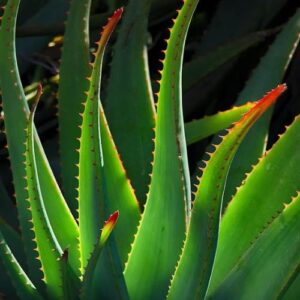
Aloe Vera (Aloe barbadensis miller)
🍃 Flavor & Aroma: Bitter, cooling, with a mild cucumber-like taste (gel only).
🍴 Uses: Gel used in skin care, burns, and drinks. Not typically used as a culinary herb, but the inner gel is edible in moderation.
✨ Benefits: Soothes burns and skin irritation; supports hydration and digestion.
🌱 Growth: Succulent perennial; grows 30–60 cm tall. Prefers dry, sandy soil and full sun.
- Planting: Best grown in pots or sandy garden beds in full sun. Ideal for windowsills, patios, or dry, warm spots outdoors.
- Care: Requires well-draining, gritty soil (cactus mix works well). Avoid frequent feeding; fertilize only once or twice a year. Protect from frost by moving pots indoors in winter. Remove offsets (‘pups’) to propagate and prevent overcrowding.
- Water: Low requirement. Allow soil to dry completely between waterings; water deeply but infrequently. Overwatering may cause root rot.
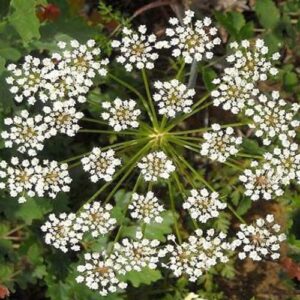
Anise (Pimpinella anisum)
🍃 Flavor & Aroma: Sweet, licorice-like taste.
🍴 Uses: Seeds used in baking, liqueurs, and herbal teas. Fresh leaves can be used in salads.
✨ Benefits: Traditionally aids digestion, freshens breath, and soothes coughs.
🌱 Growth: Annual; grows 40–60 cm tall. Prefers full sun.
- Planting: Best sown directly into garden beds in full sun, as plants don’t transplant well. Needs light, well-drained soil. Avoid heavy clay soils.
- Care: Thin seedlings to 15–20 cm apart. Stake taller plants to prevent lodging in windy areas. Harvest seeds when flower heads turn brown.
- Water: Moderate. Keep soil evenly moist, particularly during germination and flowering.
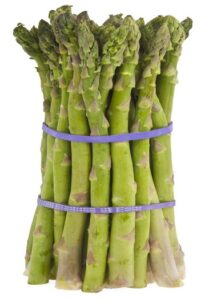
Asparagus (Asparagus officinalis)
🍃 Flavor & Aroma: Mild, slightly sweet, grassy taste.
🍴 Uses: Young shoots eaten steamed, roasted, or grilled.
✨ Benefits: High in vitamins A, C, and K; supports digestion and kidney health.
🌱 Growth: Hardy perennial; shoots harvested in spring. Ferny foliage grows 1–2 m tall. Prefers full sun and rich, well-drained soil.
- Planting: Best in raised beds or rows with sandy, well-drained soil. Plant crowns 30–40 cm apart in trenches. Needs full sun.
- Care: Takes 2–3 years to establish before regular harvesting. Cut back ferny growth after it yellows in autumn. Mulch beds yearly to suppress weeds and retain soil warmth.
- Water: Moderate. Keep soil moist during establishment; once mature, water deeply but less often.
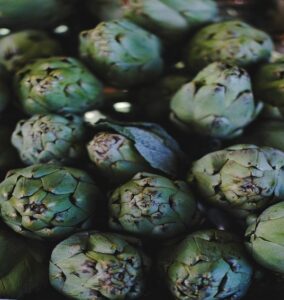
Artichoke (Cynara scolymus)
🍃 Flavor & Aroma: Mild, nutty, earthy flavor.
🍴 Uses: Flower buds (hearts and bases of bracts) steamed, grilled, or preserved.
✨ Benefits: Supports liver health, digestion, and rich in antioxidants.
🌱 Growth: Perennial thistle; grows 1.2–1.5 m tall. Needs full sun and fertile soil.
- Planting: Best grown in large garden beds with plenty of space. Prefers full sun and rich, deep, well-drained soil. Not ideal for small pots.
- Care: Apply compost or manure annually for fertility. Remove side shoots to direct energy into main buds. Cut back stems after flowering. Protect crowns in frost-prone areas with mulch.
- Water: Moderate to high. Water regularly to encourage large, tender buds, but avoid soggy soil.
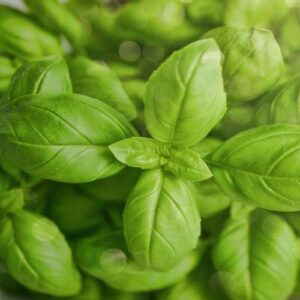
Basil (Sweet) (Ocimum basilicum)
🍃 Flavor & Aroma: Sweet, aromatic, classic basil flavor.
🍴 Uses: Essential in pesto, pasta, and salads. Pairs well with tomatoes.
✨ Benefits: Rich in antioxidants and vitamins; supports digestion.
🌱 Growth: Annual; grows 30–60 cm tall. Prefers warm weather and sun.
- Planting: Prefers sunny, sheltered spots or pots. Grows well alongside tomatoes and peppers.
- Care: Pinch flowers and harvest regularly for best growth. Sensitive to cold—grow as a warm-season annual.
- Water: Moderate. Keep soil consistently moist; mulch helps retain water.
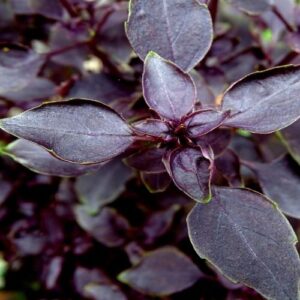
Basil Dark Opal (Ocimum basilicum var. purpurascens)
🍃 Flavor & Aroma: Milder than sweet basil, with slight spice.
🍴 Uses: Used in salads, oils, and vinegars; ornamental purple foliage.
✨ Benefits: Similar health benefits to sweet basil.
🌱 Growth: Annual; grows 30–45 cm tall. Prefers sun.
- Planting: Prefers full sun in well-drained soil. Excellent for pots or decorative beds. Plant near tomatoes as a companion.
- Care: Pinch back stems to prevent flowering and encourage bushy growth. Harvest regularly. Protect from cold, as it is frost-sensitive.
- Water: Moderate. Keep soil moist but avoid standing water.
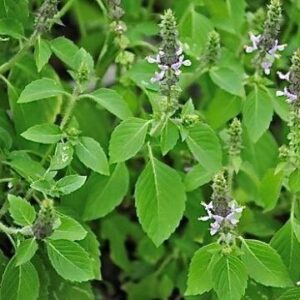
Basil Holy Green (Ocimum tenuiflorum)
🍃 Flavor & Aroma: Strong, peppery, clove-like flavor with a hint of sweetness.
🍴 Uses: Used fresh in teas, curries, stir-fries, and traditional Ayurvedic remedies.
✨ Benefits: Adaptogenic herb; supports stress relief, immunity, and respiratory health.
🌱 Growth: Annual or short-lived perennial; grows 30–60 cm tall. Prefers warm climates and full sun.
- Planting: Needs warm temperatures and lots of sunlight. Ideal for outdoor beds or pots in summer.
- Care: Pinch off flowers to extend leaf harvest. Protect from cold and frost. Harvest regularly for continuous growth.
- Water: Moderate. Water when topsoil feels dry, keeping soil consistently moist but not soggy.
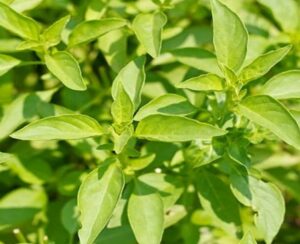
Basil Lemon (Ocimum × citriodorum)
🍃 Flavor & Aroma: Fresh citrusy lemon scent.
🍴 Uses: Perfect for fish, salads, and teas.
✨ Benefits: Refreshing aroma, helps digestion.
🌱 Growth: Annual; grows 30–60 cm tall. Needs warmth and sun.
- Planting: Ideal in pots or borders in sunny locations. Prefers fertile, well-drained soil.
- Care: Pinch off flower buds to keep leaves tender and flavorful. Harvest regularly to promote fresh growth. Sensitive to frost.
- Water: Moderate. Keep soil evenly moist, watering more often in hot weather.
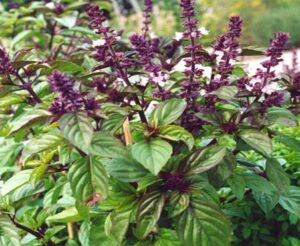
Basil Licorice (Ocimum basilicum var. anisatum)
🍃 Flavor & Aroma: Distinct anise/licorice taste.
🍴 Uses: Great for Asian dishes, poultry, and teas.
✨ Benefits: Digestive support, aromatic oils.
🌱 Growth: Annual; grows 30–60 cm tall.
- Planting: Best in sunny beds or pots with fertile, well-drained soil. Pair with tomatoes for enhanced growth.
- Care: Pinch tips regularly to prevent flowering. Protect from wind and cold. Use fresh for best flavor.
- Water: Moderate. Keep soil moist but not soggy.
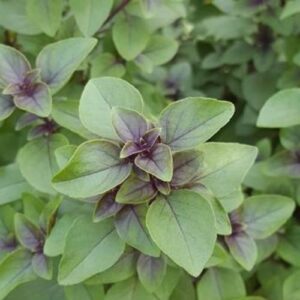
Basil Siam Queen (Ocimum basilicum var. thyrsiflora)
🍃 Flavor & Aroma: Spicy, anise-like flavor.
🍴 Uses: Key herb in Thai cuisine, curries, and stir-fries.
✨ Benefits: Rich in antioxidants; aromatic oils have antibacterial effects.
🌱 Growth: Annual; grows 40–60 cm tall. Prefers warm sun.
- Planting: Needs a warm, sunny spot in fertile soil or pots. Great for indoor windowsills in cooler regions.
- Care: Regularly harvest young shoots to keep growth bushy. Protect from cold drafts. Pinch flowers to maintain leaf production.
- Water: Moderate. Keep soil moist but not waterlogged.
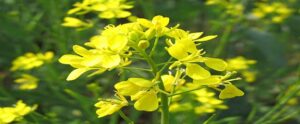
Black Mustard (Brassica nigra)
🍃 Flavor & Aroma: Strong, sharp, spicy flavor from the seeds and a mild, mustardy taste from young leaves.
🍴 Uses: Seeds are used to make mustard, spice blends, pickles, and flavored oils.
Young leaves can be eaten raw in salads or cooked like other leafy greens.
✨ Benefits: Rich in antioxidants and beneficial plant compounds.
Traditionally used to support circulation, digestion, and respiratory health.
🌱 Growth: Cool-season annual herb that can grow 1–2 m tall with yellow flower clusters.
- Planting: Sow seeds in full sun in well-drained soil. Best grown during cooler parts of the year to prevent early bolting.
- Care: Thin seedlings to allow airflow. Harvest seed pods when dry and brown. Tall plants may benefit from support in windy sites.
- Water: Moderate. Keep soil evenly moist but not waterlogged, especially during germination and early growth.
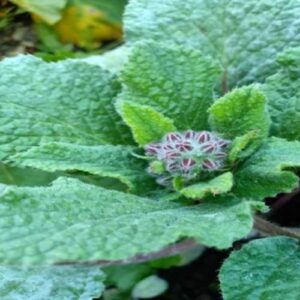
Borage (Borago officinalis)
🍃 Flavor & Aroma: Cucumber-like taste.
🍴 Uses: Leaves used fresh in salads, drinks, and garnishes. Star-shaped blue flowers are edible.
✨ Benefits: Attracts pollinators, high in gamma-linolenic acid (GLA).
🌱 Growth: Annual; grows 60–100 cm tall. Self-seeds easily.
- Planting: Direct sow in full sun; borage doesn’t transplant well. Prefers well-drained soil. Great as a companion plant for strawberries and tomatoes.
- Care: Low-maintenance plant. Remove faded flowers to prolong blooming. Thin seedlings for airflow. Can self-seed prolifically if not managed.
- Water: Moderate. Water regularly in dry periods, but avoid waterlogged soil.
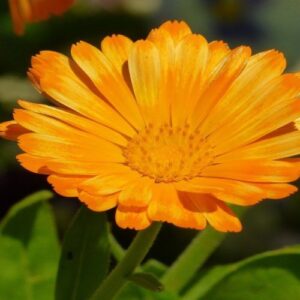
Calendula (Calendula officinalis)
🍃 Flavor & Aroma: Mildly spicy, peppery, and tangy.
🍴 Uses: Petals used in salads, soups, teas, and as a saffron substitute for color. Widely used in skin creams and balms.
✨ Benefits: Traditionally used for wound healing, soothing skin, and digestive support.
🌱 Growth: Annual; grows 30–60 cm tall. Prefers full sun and well-drained soil.
- Planting: Best grown in garden beds or pots in full sun. Prefers fertile, well-drained soil. Can tolerate light shade.
- Care: Deadhead spent blooms to extend flowering. Collect petals for use when flowers are fully open. Self-seeds easily if left to mature.
- Water: Moderate. Keep soil evenly moist but not soggy.
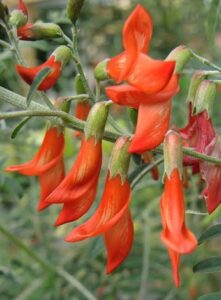
Cancer Bush (Sutherlandia frutescens)
🍃 Flavor & Aroma: Bitter, slightly nutty, with a faint herbal aftertaste.
🍴 Uses: Traditionally brewed as a tea; used in tinctures and herbal tonics.
✨ Benefits: Known in African traditional medicine for immune support, energy boosting, and helping with colds, flu, and stress.
🌱 Growth: Hardy perennial shrub; grows 0.5–1.5 m tall. Thrives in dry, sunny areas with well-drained soil.
- Planting: Plant in sunny, well-drained beds. Thrives in arid conditions. Suitable for xeriscaping.
- Care: Low-maintenance once established. Prune lightly to shape. Protect young plants from frost.
- Water: Low. Drought-tolerant; water sparingly once established.
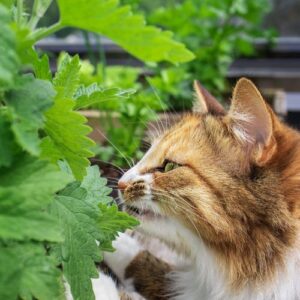
Catnip (Nepeta cataria)
🍃 Flavor & Aroma: Minty, slightly citrus-like.
🍴 Uses: Teas, cat stimulant (for play).
✨ Benefits: Traditionally calming for humans; stimulating for cats.
🌱 Growth: Perennial; grows 60–100 cm tall. Hardy and spreads easily.
- Planting: Plant in full sun to partial shade. Grows well in garden beds or pots. Prefers average, well-drained soil.
- Care: Cut back after flowering to encourage a second bloom. Can spread aggressively; grow in containers if needed.
- Water: Moderate. Water regularly during dry spells but avoid waterlogging.

Chamomile (Matricaria chamomilla / Chamaemelum nobile)
🍃 Flavor & Aroma: Apple-like fragrance.
🍴 Uses: Teas, soothing remedies, skin care.
✨ Benefits: Calming, supports sleep and digestion.
🌱 Growth: Annual (German) or perennial (Roman). Grows 15–60 cm tall.
- Planting: Sow directly into well-drained soil in a sunny spot. Roman chamomile is better for lawns or groundcover.
- Care: Harvest flowers regularly to encourage new blooms. Trim plants back if they become leggy.
- Water: Moderate. Keep soil moist, especially during germination and early growth.
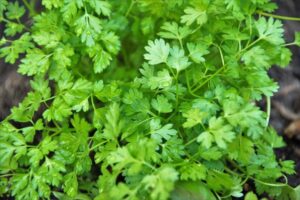
Chervil (Anthriscus cerefolium)
🍃 Flavor & Aroma: Mild, delicate, slight anise taste.
🍴 Uses: Classic French cuisine herb; used in soups, sauces, and egg dishes.
✨ Benefits: Traditionally supports digestion and circulation.
🌱 Growth: Annual; grows 30–60 cm tall. Prefers cool weather.
- Planting: Best grown in spring or autumn in partial shade. Prefers moist, fertile soil.
- Care: Harvest leaves young for best flavor. Allow some plants to flower and self-seed for continuous growth.
- Water: Moderate. Keep soil consistently moist.
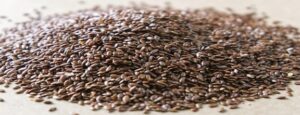
Chia (Salvia hispanica)
🍃 Flavor & Aroma: Mild, nutty, and slightly earthy. Chia seeds have almost no aroma and easily take on the flavor of surrounding ingredients.
🍴 Uses:Chia seeds are used in smoothies, cereals, breads, puddings, biscuits, energy bars, and sauces.
They can be soaked to form a gel for baking or as an egg substitute. Young leaves may also be used fresh in salads or herbal teas.
✨ Benefits: Rich in omega-3 fatty acids, fiber, protein, calcium, and antioxidants.
Supports digestion, helps keep you fuller for longer, may support heart health, steady energy, and balanced blood sugar.
🌱 Growth: Annual herb grown mainly for its seeds. Grows about 1–1.5 m tall with purple or white flower spikes.
- Planting: Sow seeds in full sun after all danger of frost. Prefers loose, well-drained soil. Space plants about 30–40 cm apart in rows or blocks.
- Care: Low-maintenance once established. Thin crowded seedlings. Pinch growing tips when young to encourage bushier plants. Protect tall stems from strong wind if your site is exposed.
- Water: Moderate. Keep soil evenly moist during germination and early growth. Once plants are well established, they are fairly drought tolerant and only need occasional deep watering.
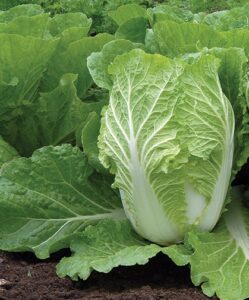
Chinese Cabbage (Brassica rapa subsp. pekinensis)
🍃 Flavor & Aroma: Mild, sweet, crisp, slightly peppery.
🍴 Uses: Stir-fries, soups, salads, pickling (kimchi).
✨ Benefits: Rich in vitamins C and K; supports digestion and immunity.
🌱 Growth: Biennial but grown as an annual; grows 30–60 cm tall. Prefers cool weather and moist, fertile soil.
- Planting: Sow in early spring or late summer. Needs fertile, well-drained soil in full sun to partial shade.
- Care: Protect from pests like cabbage worms. Harvest heads when firm and compact.
- Water: Moderate to high. Keep soil moist, especially in warm weather.
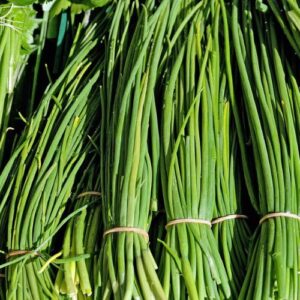
Chives (Allium schoenoprasum)
🍃 Flavor & Aroma: Mild onion-like flavor with a hint of garlic.
🍴 Uses: Leaves used fresh in salads, soups, dips, baked potatoes, and as a garnish. Flowers are also edible.
✨ Benefits: Rich in vitamins A and C; supports immunity and digestion.
🌱 Growth: Perennial; grows 20–40 cm tall. Prefers full sun and moist, well-drained soil.
- Planting: Plant in garden beds or pots. Prefers sunny locations but tolerates partial shade.
- Care: Cut leaves regularly to encourage new growth. Divide clumps every 3–4 years.
- Water: Moderate. Keep soil evenly moist, especially during dry spells.
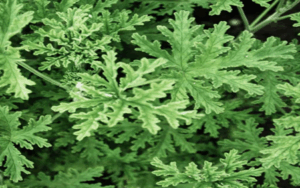
Citronella (Cymbopogon nardus / Cymbopogon winterianus)
🍃 Flavor & Aroma: Strong lemon-like scent with sharp citrus notes.
🍴 Uses: Essential oils, teas, insect repellent, culinary use in Asian dishes.
✨ Benefits: Repels mosquitoes; traditionally used for fevers and digestive issues.
🌱 Growth: Perennial grass; grows 1–1.5 m tall. Prefers warm, sunny climates and well-drained soil.
- Planting: Best in pots or directly in garden beds in warm climates. Needs full sun and space to grow.
- Care: Trim back regularly to maintain shape. Protect from frost in cooler areas by moving pots indoors.
- Water: Moderate to high. Keep soil moist, especially in summer.
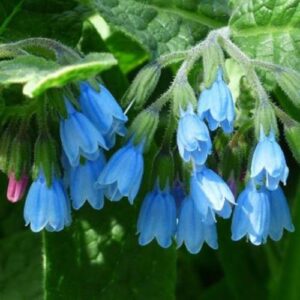
Comfrey (Symphytum officinale)
🍃 Flavor & Aroma: Not commonly used in food (slightly bitter, hairy leaves).
🍴 Uses: Traditionally used in herbal medicine and as a compost/soil enricher. Leaves used externally in salves.
✨ Benefits: Historically used for bone and tissue healing (‘knitbone’).
🌱 Growth: Hardy perennial; grows 60–120 cm tall. Spreads easily.
- Planting: Best grown in garden beds as a perennial patch. Prefers full sun to partial shade in moist, fertile soil.
- Care: Cut back leaves several times a season for composting or salves. Can spread aggressively.
- Water: Moderate. Keep soil moist, especially in summer.
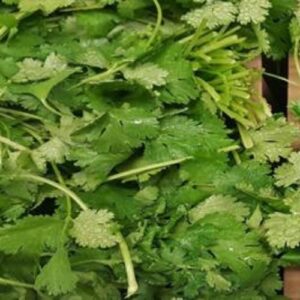
Coriander (Coriandrum sativum)
🍃 Flavor & Aroma: Fresh, citrusy, slightly peppery leaves; seeds have a warm, nutty, spicy flavor.
🍴 Uses: Leaves used fresh in salads, salsas, curries, and soups. Seeds used in spice blends, baking, and pickling.
✨ Benefits: Supports digestion, rich in antioxidants, may help regulate blood sugar.
🌱 Growth: Annual; grows 30–60 cm tall. Prefers full sun and well-drained soil. Bolts quickly in hot weather.
- Planting: Sow directly outdoors in spring or autumn for best results. Prefers cooler temperatures and sunny sites.
- Care: Harvest leaves regularly before plants flower. Allow some plants to go to seed for spice use or reseeding.
- Water: Moderate. Keep soil moist but not soggy, especially during germination.
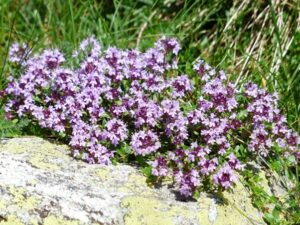
Creeping Thyme (Thymus serpyllum)
🍃 Flavor & Aroma: Similar to common thyme but milder.
🍴 Uses: Culinary use similar to thyme; also popular as groundcover and ornamental.
✨ Benefits: Attracts pollinators, aromatic, low-maintenance.
🌱 Growth: Hardy perennial; grows 5–10 cm tall, spreading widely as groundcover.
- Planting: Best used as a groundcover in sunny, well-drained areas. Works well between paving stones.
- Care: Prune lightly after flowering to keep tidy. Minimal care needed once established.
- Water: Low. Drought-tolerant; water sparingly once established.
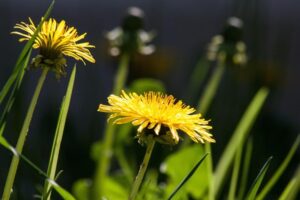
Dandelion (Taraxacum officinale)
🍃 Flavor & Aroma: Bitter, earthy, slightly nutty taste.
🍴 Uses: Leaves eaten fresh in salads, roots roasted for tea or coffee substitute, flowers used in syrups and wines.
✨ Benefits: Supports liver and kidney health, rich in vitamins A, C, and K.
🌱 Growth: Hardy perennial; grows 10–30 cm tall with deep taproot. Thrives in most soils and conditions.
- Planting: Plant in garden beds, lawns, or pots. Tolerates a wide range of soils and conditions.
- Care: Harvest leaves young for less bitterness. Flowers can be picked for syrups or wine. Roots dug in autumn for drying.
- Water: Low to moderate. Generally thrives without extra watering once established.
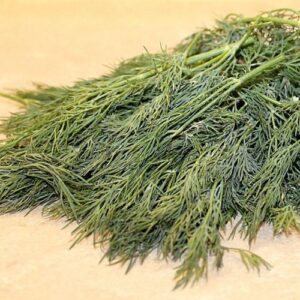
Dill (Anethum graveolens)
🍃 Flavor & Aroma: Fresh, tangy, slightly sweet with anise undertones.
🍴 Uses: Classic herb for pickling; used in fish dishes, salads, and sauces. Seeds used in breads and spice blends.
✨ Benefits: Traditionally supports digestion and soothes stomach discomfort.
🌱 Growth: Annual; grows 60–120 cm tall. Prefers full sun and well-drained soil.
- Planting: Sow directly outdoors in sunny beds. Prefers fertile, well-drained soil. Avoid transplanting as roots are delicate.
- Care: Harvest leaves frequently. Allow some plants to go to seed for spice use and reseeding. Protect from strong wind.
- Water: Moderate. Keep soil moist, especially during hot weather.
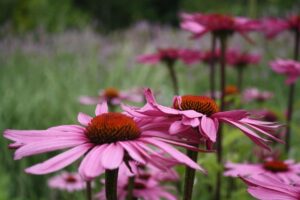
Echinacea (Echinacea purpurea)
🍃 Flavor & Aroma: Earthy, floral, slightly bitter.
🍴 Uses: Herbal teas, tinctures, capsules.
✨ Benefits: Traditionally supports immunity, helps with colds and flu.
🌱 Growth: Perennial; grows 60–120 cm tall. Prefers full sun and well-drained soil.
- Planting: Plant in sunny beds or borders. Tolerates poor soils but prefers well-drained ground. Space plants 30–45 cm apart.
- Care: Deadhead to prolong flowering. Cut stems back in winter. Divide clumps every 3–4 years.
- Water: Low to moderate. Drought-tolerant once established but benefits from watering in prolonged dry periods.
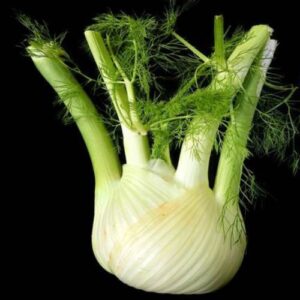
Fennel (Foeniculum vulgare)
🍃 Flavor & Aroma: Sweet, strong anise/licorice flavor.
🍴 Uses: Leaves, seeds, and bulbs are all edible; used in soups, salads, and roasted dishes. Seeds flavor liqueurs.
✨ Benefits: Supports digestion, freshens breath, may relieve bloating.
🌱 Growth: Hardy perennial (often grown as annual); grows 1–2 m tall. Prefers full sun.
- Planting: Best grown in full sun in fertile, well-drained soil. Sow directly outdoors. Keep separate from dill to avoid cross-pollination.
- Care: Harvest leaves and seeds as needed. Bulbs can be dug when swollen and tender. Remove spent stems in autumn.
- Water: Moderate. Keep soil evenly moist, especially during bulb formation.
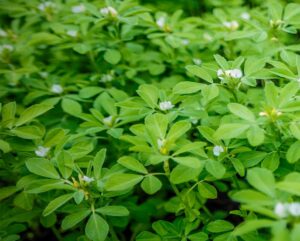
Fenugreek (Trigonella foenum-graecum)
🍃 Flavor & Aroma: Strong, maple-like, nutty flavor.
🍴 Uses: Seeds used in curries, spice blends, and teas. Leaves eaten fresh or dried in Indian and Middle Eastern dishes.
✨ Benefits: Supports digestion, may regulate blood sugar, and enhances milk production in nursing mothers.
🌱 Growth: Annual; grows 30–60 cm tall. Prefers full sun and well-drained soil.
- Planting: Direct sow seeds in sunny garden beds. Prefers fertile, well-drained soil. Best grown in cool seasons.
- Care: Thin seedlings to prevent overcrowding. Harvest leaves young for best flavor. Collect seeds when pods turn yellow.
- Water: Moderate. Keep soil evenly moist but not soggy.
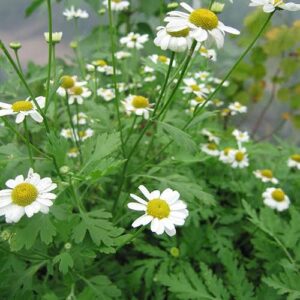
Feverfew (Tanacetum parthenium)
🍃 Flavor & Aroma: Bitter, herbal taste with a slight citrus note.
🍴 Uses: Traditionally brewed as tea or taken fresh in small amounts for medicinal purposes.
✨ Benefits: Historically used to relieve headaches, migraines, and inflammation.
🌱 Growth: Perennial; grows 30–60 cm tall. Prefers sun to partial shade and well-drained soil.
- Planting: Plant in sunny or lightly shaded spots in fertile, well-drained soil. Can be grown in borders or pots.
- Care: Deadhead flowers to extend blooming. Divide clumps every few years to rejuvenate plants.
- Water: Moderate. Water regularly during dry periods, but avoid waterlogging.
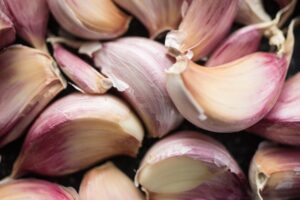
Garlic (Allium sativum)
🍃 Flavor & Aroma: Strong, pungent, spicy when raw; mellow and sweet when roasted.
🍴 Uses: Culinary staple in savory dishes worldwide; also used in pickles, sauces, and oils.
✨ Benefits: Supports heart health, antimicrobial, immune-boosting.
🌱 Growth: Perennial bulb (grown annually); grows 30–60 cm tall. Prefers full sun and fertile, well-drained soil.
- Planting: Plant cloves in autumn in well-drained, fertile beds. Space 10–15 cm apart. Needs full sun exposure.
- Care: Keep beds weed-free. Harvest bulbs when leaves turn yellow and flop over. Dry thoroughly before storing.
- Water: Moderate. Water regularly during growth, but reduce watering as bulbs mature.
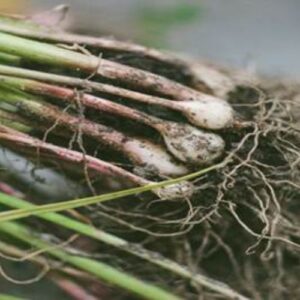
Garlic Chives (Allium tuberosum)
🍃 Flavor & Aroma: Mild garlic flavor with chive freshness.
🍴 Uses: Leaves, flowers, and stems used in stir-fries, dumplings, soups, and garnishes.
✨ Benefits: Rich in vitamins A and C, supports immunity and digestion.
🌱 Growth: Perennial; grows 30–60 cm tall. Thrives in sun or partial shade.
- Planting: Plant in garden beds or pots. Prefers fertile, well-drained soil. Space plants 15–20 cm apart.
- Care: Cut leaves regularly to encourage new growth. Divide clumps every 3–4 years to maintain vigor.
- Water: Moderate. Keep soil evenly moist, especially during hot weather.
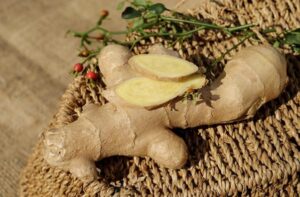
Ginger (Zingiber officinale)
🍃 Flavor & Aroma: Warm, spicy, pungent, and slightly sweet.
🍴 Uses: Widely used in teas, curries, stir-fries, baked goods, and pickles.
✨ Benefits: Supports digestion, reduces nausea, anti-inflammatory, and boosts circulation.
🌱 Growth: Perennial root crop; grows from rhizomes 0.5–1 m tall. Prefers warm, humid climates with rich, moist soil.
- Planting: Plant rhizome pieces in pots or directly in the ground in warm climates. Needs partial shade to filtered sun.
- Care: Mulch to retain soil moisture. Harvest rhizomes after 8–10 months when leaves yellow. Store in cool, dry place.
- Water: High. Keep soil consistently moist, but not waterlogged.
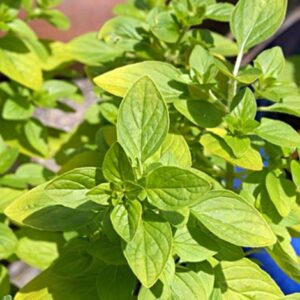
Golden Marjoram (Origanum vulgare ‘Aureum’)
🍃 Flavor & Aroma: Milder than oregano, slightly sweet, with ornamental golden leaves.
🍴 Uses: Fresh or dried in Mediterranean dishes, soups, and sauces. Adds both flavor and color to gardens.
✨ Benefits: Digestive aid; aromatic and antioxidant-rich.
🌱 Growth: Perennial; grows 20–30 cm tall. Prefers sun.
- Planting: Plant in full sun in well-drained soil. Works well in rock gardens, borders, or pots.
- Care: Trim regularly to keep compact. Harvest leaves before flowering for best flavor.
- Water: Low to moderate. Water during prolonged dry periods.
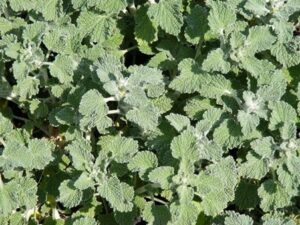
Horehound (Marrubium vulgare)
🍃 Flavor & Aroma: Bitter, earthy, slightly minty.
🍴 Uses: Herbal teas, cough drops, candies, and syrups.
✨ Benefits: Traditionally used to soothe coughs and aid digestion.
🌱 Growth: Hardy perennial; grows 30–60 cm tall. Prefers dry, sunny soils.
- Planting: Plant in full sun in poor, dry soil. Excellent for low-maintenance gardens.
- Care: Cut back after flowering to prevent self-seeding. Divide clumps every 3–4 years if overcrowded.
- Water: Low. Very drought-tolerant once established.
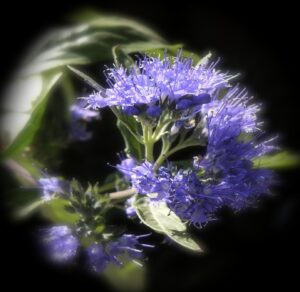
Hyssop (Hyssopus officinalis)
🍃 Flavor & Aroma: Strong, slightly bitter, minty and camphor-like.
🍴 Uses: Used sparingly in soups, stews, liqueurs, and teas. Traditionally medicinal.
✨ Benefits: Historically used for respiratory relief and as a cleansing herb.
🌱 Growth: Perennial; grows 30–60 cm tall. Prefers sunny, well-drained soil.
- Planting: Best planted in sunny borders or herb gardens. Prefers well-drained soil. Space 30 cm apart.
- Care: Prune after flowering to keep compact. Divide clumps every 3–4 years.
- Water: Low to moderate. Water occasionally in dry weather.
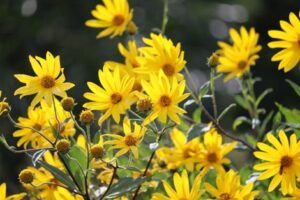
Jerusalem Artichoke (Helianthus tuberosus)
🍃 Flavor & Aroma: Nutty, sweet, similar to water chestnut or potato.
🍴 Uses: Tubers eaten roasted, boiled, mashed, or raw in salads.
✨ Benefits: High in inulin (prebiotic fiber), supports gut health and energy.
🌱 Growth: Hardy perennial; grows 1.5–3 m tall with sunflower-like blooms. Prefers sun and sandy soil.
- Planting: Plant tubers directly into ground in sunny, sandy soil. Space 30–45 cm apart.
- Care: Cut stems back after frost. Harvest tubers in late autumn. Can spread aggressively—contain if needed.
- Water: Moderate. Water regularly during dry spells for larger tubers.
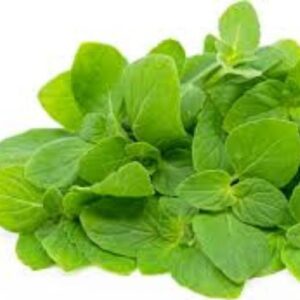
Julip Mint (Mentha spicata var. crispa)
🍃 Flavor & Aroma: Bright, refreshing spearmint-like flavor.
🍴 Uses: Famous for use in mint julep cocktails; also good in teas and desserts.
✨ Benefits: Refreshing, cooling, aids digestion.
🌱 Growth: Perennial; grows 45–75 cm tall. Prefers sun to partial shade.
- Planting: Best in containers to prevent spreading. Plant in fertile, moist soil.
- Care: Cut back regularly to encourage fresh growth. Divide clumps every 2–3 years.
- Water: High. Keep soil evenly moist, especially in summer.
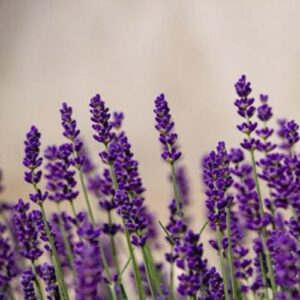
Lavender Elegance (Lavandula angustifolia ‘Elegance’)
🍃 Flavor & Aroma: Soft, sweet lavender fragrance.
🍴 Uses: Used in teas, baking, sachets, and oils.
✨ Benefits: Calming, supports sleep and stress relief.
🌱 Growth: Compact perennial; grows 25–35 cm tall. Ideal for pots and edging.
- Planting: Best in sunny, well-drained soil. Grow in pots or borders. Requires good air circulation.
- Care: Prune after flowering to maintain shape. Remove faded blooms to encourage reblooming.
- Water: Low. Drought-tolerant once established.
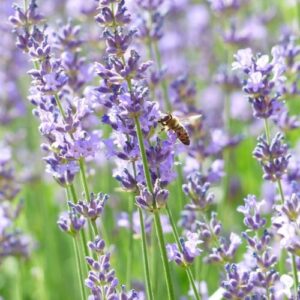
Lavender Margaret Roberts (Lavandula × intermedia ‘Margaret Roberts’)
🍃 Flavor & Aroma: Sweet, floral lavender scent.
🍴 Uses: Popular in cooking, teas, oils, and crafts. Known as a South African garden favorite.
✨ Benefits: Promotes relaxation, aids sleep, supports skin health.
🌱 Growth: Hardy perennial shrub; grows 1–1.5 m tall. Prefers full sun.
- Planting: Grow in well-drained soil with full sun. Space 60 cm apart. Excellent for hedges.
- Care: Prune annually to keep bushy. Harvest flowers just before fully open.
- Water: Low. Water sparingly once established.
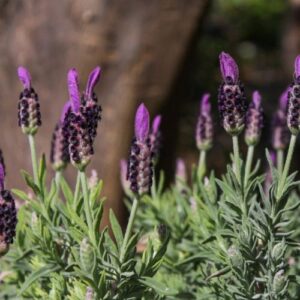
Lavender Stoechas (Spanish Lavender) (Lavandula stoechas)
🍃 Flavor & Aroma: Strong, camphor-like lavender fragrance.
🍴 Uses: Flowers used sparingly in baking, teas, potpourri, and essential oils.
✨ Benefits: Traditionally used for calming, relaxation, and antimicrobial purposes.
🌱 Growth: Hardy perennial shrub; grows 30–60 cm tall. Prefers full sun and dry soil.
- Planting: Best in sandy, well-drained soil with full sun. Space plants 30 cm apart.
- Care: Prune after flowering to maintain compact growth. Protect in colder climates.
- Water: Low. Requires minimal water once established.
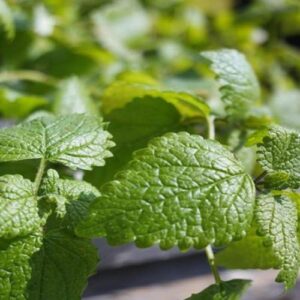
Lemon Balm (Melissa officinalis)
🍃 Flavor & Aroma: Fresh lemon scent with mild mint undertones.
🍴 Uses: Leaves used in teas, salads, desserts, and as garnish. Popular in calming remedies.
✨ Benefits: Traditionally used to ease stress, support sleep, and aid digestion.
🌱 Growth: Perennial; grows 45–90 cm tall. Thrives in sun to partial shade and moist, fertile soil.
- Planting: Grow in garden beds or pots in sun or partial shade. Prefers rich, moist soil.
- Care: Trim regularly to prevent legginess. Cut back hard at least once a year to encourage new growth.
- Water: Moderate. Keep soil evenly moist, especially in hot weather.
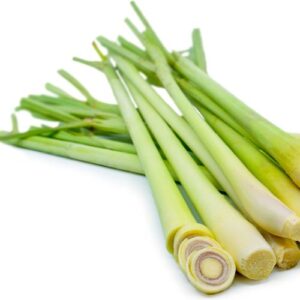
Lemon Grass (Cymbopogon citratus)
🍃 Flavor & Aroma: Fresh, lemony, slightly spicy.
🍴 Uses: Soups, teas, curries, stir-fries, and essential oils.
✨ Benefits: Supports digestion, calming aroma, antimicrobial properties.
🌱 Growth: Perennial grass; grows 1–1.5 m tall. Prefers warm, humid climates and full sun.
- Planting: Plant in clumps in sunny, fertile, well-drained soil. Suitable for pots in cooler regions.
- Care: Cut stems regularly to encourage fresh growth. Protect from frost by overwintering indoors.
- Water: Moderate to high. Keep soil moist in warm seasons.
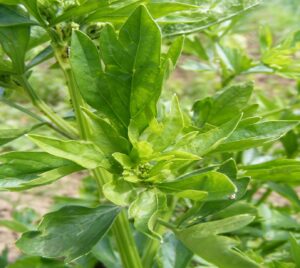
Lovage (Levisticum officinale)
🍃 Flavor & Aroma: Strong celery-like taste with hints of anise.
🍴 Uses: Soups, stews, salads, and teas.
✨ Benefits: Supports digestion and kidney function.
🌱 Growth: Hardy perennial; grows 1.5–2 m tall. Prefers moist, fertile soil in sun or partial shade.
- Planting: Best in garden beds with deep, fertile soil. Space plants 60–90 cm apart.
- Care: Cut stems to ground in autumn. Divide clumps every 3–4 years.
- Water: Moderate. Keep soil consistently moist, especially in hot weather.
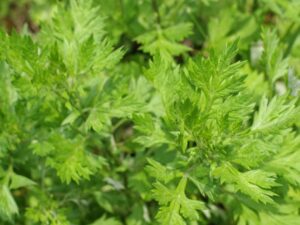
Marigold (Tagetes spp.)
🍃 Flavor & Aroma: Peppery, citrusy, and slightly bitter (varies by species).
🍴 Uses: Petals used in teas, salads, and as a natural food colorant. Also valued as a companion plant in gardens.
✨ Benefits: Traditionally used for skin soothing, digestive support, and pest deterrence in gardens.
🌱 Growth: Annual or perennial depending on species; grows 20–90 cm tall. Thrives in full sun and well-drained soil.
- Planting: Direct sow in sunny beds or pots. Easy to grow from seed. Prefers fertile, well-drained soil.
- Care: Deadhead spent blooms to encourage flowering. Remove old plants at season’s end.
- Water: Moderate. Water regularly, especially during dry spells.
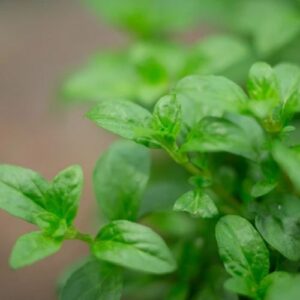
Mentha Penny Royal (Mentha pulegium)
🍃 Flavor & Aroma: Strong, pungent, minty aroma.
🍴 Uses: Traditionally used in teas and herbal medicine; not common in modern culinary use.
✨ Benefits: Historically used as digestive aid and insect repellent (caution: potent).
🌱 Growth: Perennial; grows 30–60 cm tall. Thrives in moist soil and sun to partial shade.
- Planting: Best in pots or contained areas to control spreading. Prefers moist soils.
- Care: Trim regularly to prevent legginess. Divide plants every 2–3 years to maintain vigor.
- Water: High. Requires consistently moist soil.
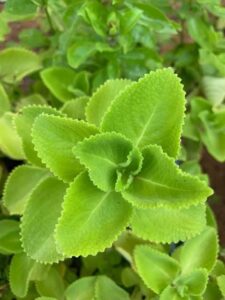
Mexican Mint (Plectranthus amboinicus)
🍃 Flavor & Aroma: Strong, oregano-like flavor with hints of thyme and sage.
🍴 Uses: Leaves used in teas, curries, soups, and as a substitute for oregano.
✨ Benefits: Supports respiratory and digestive health; traditionally used for coughs and colds.
🌱 Growth: Perennial; grows 30–90 cm tall. Prefers warm climates and partial sun.
- Planting: Grow in pots or beds in warm climates. Prefers partial sun and well-drained soil.
- Care: Pinch back regularly to encourage bushy growth. Protect from frost.
- Water: Moderate. Water regularly but allow soil to dry slightly between waterings.
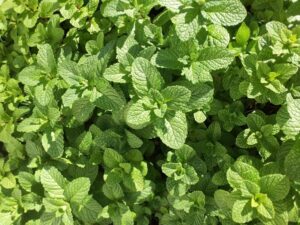
Mint (Mentha spp.)
🍃 Flavor & Aroma: Fresh, cooling, sweet, and aromatic.
🍴 Uses: Teas, desserts, sauces, salads, and garnishes. Versatile culinary herb.
✨ Benefits: Supports digestion, freshens breath, and may relieve headaches.
🌱 Growth: Perennial; grows 30–90 cm tall. Spreads vigorously—best grown in pots or contained beds.
- Planting: Best in containers to control spreading. Prefers sun to partial shade. Can also be used as groundcover in a contained area.
- Care: Cut back regularly to prevent legginess and encourage fresh growth. Divide plants every 2–3 years to maintain vigor.
- Water: High. Keep soil evenly moist, especially in hot weather, but avoid soggy conditions.
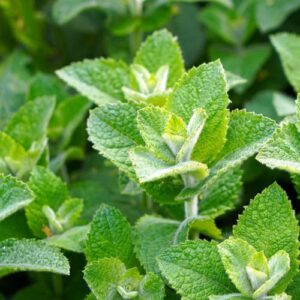
Mint Apple (Mentha suaveolens)
🍃 Flavor & Aroma: Sweet, fruity apple-like aroma with a mild mint flavor.
🍴 Uses: Leaves used in teas, fruit salads, and sauces. Popular for garnishes and desserts.
✨ Benefits: Traditionally used for soothing digestion and calming teas.
🌱 Growth: Perennial; grows 40–80 cm tall. Thrives in sun to partial shade.
- Planting: Plant in containers to prevent invasive spreading. Prefers rich, moist soil.
- Care: Cut back regularly to encourage bushy growth. Divide plants every 2–3 years.
- Water: High. Requires consistently moist soil.
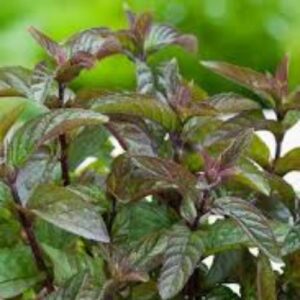
Mint Chocolate (Mentha × piperita ‘Chocolate’)
🍃 Flavor & Aroma: Distinct chocolate-mint aroma and flavor.
🍴 Uses: Excellent for desserts, teas, hot chocolate, and garnishes.
✨ Benefits: Cooling and digestive; aromatic and uplifting.
🌱 Growth: Perennial; grows 30–60 cm tall. Prefers sun to partial shade.
- Planting: Best grown in containers or contained beds. Prefers fertile, moist soil.
- Care: Cut back stems to promote fresh growth. Divide clumps every few years to maintain vigor.
- Water: High. Keep soil evenly moist, especially in summer.
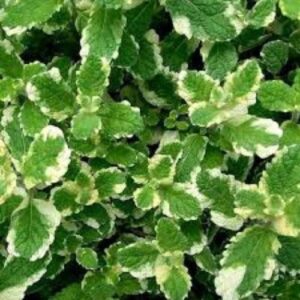
Mint Pineapple (Mentha suaveolens var. variegata)
🍃 Flavor & Aroma: Fruity, pineapple-like scent with mild mint taste.
🍴 Uses: Leaves used in fruit salads, drinks, desserts, and teas. Attractive variegated foliage for garnishes.
✨ Benefits: Refreshing and soothing; supports digestion and cooling in hot weather.
🌱 Growth: Perennial; grows 30–60 cm tall. Prefers sun to partial shade.
- Planting: Best in containers to control spreading. Prefers fertile, moist, well-drained soil.
- Care: Trim regularly to prevent legginess. Protect from frost in cooler climates.
- Water: High. Keep soil evenly moist.
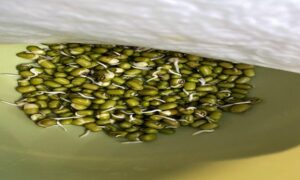
Mung Beans (Vigna radiata)
🍃 Flavor & Aroma: Mild, slightly sweet, earthy flavor in dried beans and a fresh, crisp taste in sprouts.
🍴 Uses: Used in soups, curries, stir-fries, salads, and desserts.
Commonly sprouted and eaten raw for crunch in salads, sandwiches, and Asian dishes.
✨ Benefits: High in protein, fiber, B vitamins, iron, and antioxidants.
Supports digestive health, steady energy, and a feeling of fullness.
🌱 Growth: Warm-season annual legume growing 40–100 cm tall with small yellow flowers and slender pods.
- Planting: Sow seeds directly in full sun after all danger of frost. Prefers light, sandy or loamy, well-drained soil.
- Care: Generally low-maintenance. Helps fix nitrogen in the soil. Harvest pods when full and green or allow to dry for dry beans.
- Water: Moderate. Water regularly, especially during flowering and pod set, but avoid waterlogged soil.
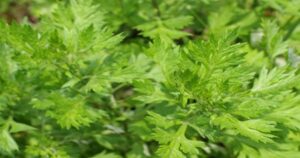
Mugwort (Artemisia vulgaris)
🍃 Flavor & Aroma: Bitter, earthy, slightly sage-like.
🍴 Uses: Traditionally used in teas, herbal remedies, and rituals. Leaves flavor meats in some cuisines.
✨ Benefits: Historically used to support digestion, relieve fatigue, and in folk medicine.
🌱 Growth: Hardy perennial; grows 1–2 m tall. Can spread aggressively.
- Planting: Best grown in sunny beds with well-drained soil. Tolerates poor soils.
- Care: Cut back regularly to control spreading. Can be invasive if unchecked.
- Water: Low to moderate. Very hardy and drought-tolerant once established.
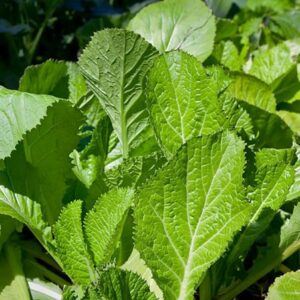
Mustard Spinach Green (Brassica rapa var.)
🍃 Flavor & Aroma: Mild mustard-like flavor with a spinach-like texture.
🍴 Uses: Eaten fresh in salads, stir-fries, soups, or lightly steamed.
✨ Benefits: Rich in vitamins A, C, and K; supports immune health and digestion.
🌱 Growth: Annual leafy green; grows 20–40 cm tall. Prefers cool weather.
- Planting: Direct sow seeds in fertile soil in spring or autumn. Space 20–30 cm apart.
- Care: Harvest leaves regularly to encourage new growth. Protect from pests like aphids.
- Water: Moderate. Keep soil evenly moist.
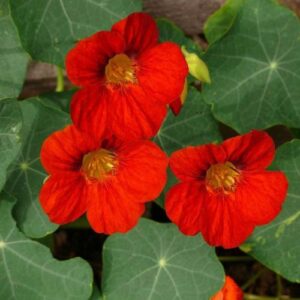
Nasturtium (Tropaeolum majus)
🍃 Flavor & Aroma: Peppery, similar to watercress, with edible flowers and leaves.
🍴 Uses: Flowers and leaves used in salads, garnishes, pestos, and pickles. Seeds sometimes used as caper substitutes.
✨ Benefits: Rich in vitamin C; supports immunity. Attracts pollinators and repels garden pests.
🌱 Growth: Annual; trailing or climbing habit. Prefers full sun to partial shade.
- Planting: Sow directly in garden beds, pots, or hanging baskets. Prefers poor to average soil for best flowering.
- Care: Requires little care. Deadhead to prolong blooming. Can self-seed easily.
- Water: Moderate. Water during dry spells but avoid overwatering
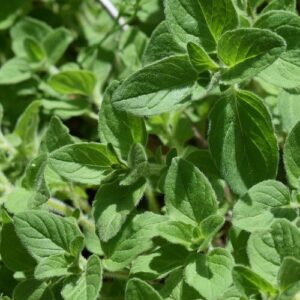
Oregano (Origanum vulgare)
🍃 Flavor & Aroma: Pungent, earthy, slightly bitter with warming notes.
🍴 Uses: Classic Mediterranean herb for pizzas, sauces, meats, and vegetables.
✨ Benefits: Contains antioxidants and antimicrobial compounds; supports digestion.
🌱 Growth: Perennial; grows 30–60 cm tall. Prefers full sun and well-drained soil.
- Planting: Grow in garden beds or pots in sunny spots. Space plants 30 cm apart.
- Care: Trim regularly to encourage bushy growth. Harvest leaves before flowering for best flavor.
- Water: Low to moderate. Drought-tolerant once established.
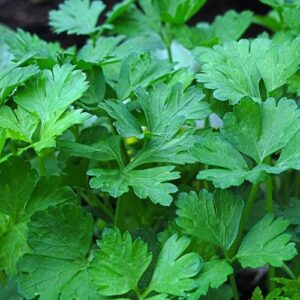
Parsley Italian (Petroselinum crispum var. neapolitanum)
🍃 Flavor & Aroma: Fresh, slightly peppery, stronger flavor than curly parsley.
🍴 Uses: Used in sauces, salads, soups, tabbouleh, and garnishes.
✨ Benefits: Rich in vitamins A, C, and K; supports kidney health and freshens breath.
🌱 Growth: Biennial (grown as annual); grows 30–60 cm tall. Prefers full sun to partial shade.
- Planting: Direct sow in spring or autumn. Slow to germinate—soak seeds before planting.
- Care: Harvest leaves regularly to prevent bolting. Allow some plants to flower for seeds.
- Water: Moderate. Keep soil evenly moist, especially during germination.
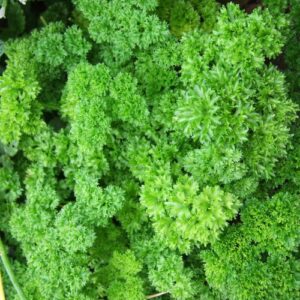
Parsley Moss Curled (Petroselinum crispum var. crispum)
🍃 Flavor & Aroma: Milder, fresh, slightly peppery taste with curly leaves.
🍴 Uses: Common garnish; also used in soups, sauces, and salads.
✨ Benefits: High in vitamins A, C, and K; supports digestion and freshens breath.
🌱 Growth: Biennial (grown as annual); grows 20–40 cm tall.
- Planting: Direct sow in rich, moist soil. Prefers sun to partial shade.
- Care: Harvest leaves regularly. Can withstand cooler weather.
- Water: Moderate. Keep soil evenly moist.
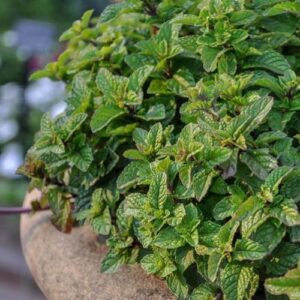
Black Peppermint (Mentha × piperita ‘Black’)
🍃 Flavor & Aroma: Strong peppermint flavor with subtle earthy undertones.
🍴 Uses: Used in teas, desserts, sauces, and candies.
✨ Benefits: Soothes digestion, freshens breath, and relieves nausea.
🌱 Growth: Perennial; grows 30–90 cm tall. Prefers sun to partial shade.
- Planting: Best in containers to control spreading. Prefers fertile, moist soil.
- Care: Cut back stems regularly. Divide clumps every few years.
- Water: High. Requires consistently moist soil.
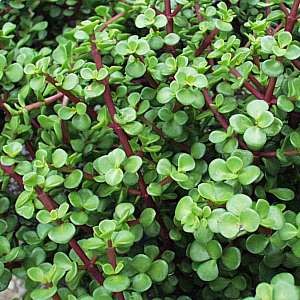
Portulacaria Afra (Spekboom)
🍃 Flavor & Aroma: Succulent, tangy, lemony leaves.
🍴 Uses: Leaves eaten fresh in salads or as trail snacks. Used in traditional remedies.
✨ Benefits: High in vitamin C; excellent carbon absorber, supports the environment.
🌱 Growth: Succulent shrub; grows 2–4 m tall in warm climates.
- Planting: Best in sandy, well-drained soil. Prefers sun to partial shade.
- Care: Prune to shape. Very hardy and resilient. Root easily from cuttings.
- Water: Low. Extremely drought-tolerant.
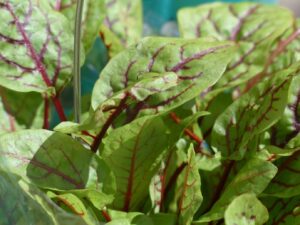
Red Vein Sorrel (Rumex sanguineus)
🍃 Flavor & Aroma: Tangy, lemony taste with slightly sour notes.
🍴 Uses: Leaves used in salads, soups, sauces, and garnishes.
✨ Benefits: Rich in vitamin C and iron; aids digestion.
🌱 Growth: Perennial; grows 30–60 cm tall. Distinct red-veined leaves.
- Planting: Plant in moist, fertile soil in sun or partial shade.
- Care: Harvest young leaves for best flavor. Remove flower stalks to prolong leaf harvest.
- Water: Moderate. Keep soil moist for tender leaves.
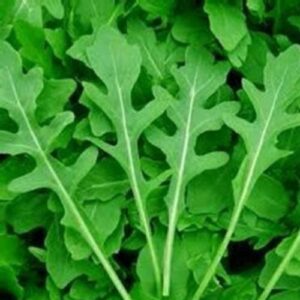
Rocket (Eruca sativa)
🍃 Flavor & Aroma: Peppery, nutty, slightly bitter taste.
🍴 Uses: Leaves eaten fresh in salads, sandwiches, and pestos.
✨ Benefits: Rich in antioxidants, vitamins A and C; supports digestion.
🌱 Growth: Annual leafy green; grows 20–40 cm tall. Prefers cool weather.
- Planting: Direct sow seeds in beds or pots. Prefers fertile, well-drained soil in sun or partial shade.
- Care: Harvest young leaves for milder flavor. Can bolt quickly in heat.
- Water: Moderate. Keep soil consistently moist.
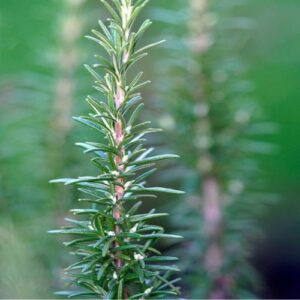
Rosemary Barbecue (Rosmarinus officinalis ‘Barbecue’)
🍃 Flavor & Aroma: Strong rosemary flavor with woody stems ideal for skewers.
🍴 Uses: Used in roasts, grilling (stems as skewers), sauces, and marinades.
✨ Benefits: Supports digestion, improves circulation, and boosts memory.
🌱 Growth: Perennial shrub; grows 1–1.5 m tall. Prefers full sun and well-drained soil.
- Planting: Plant in sunny, well-drained beds or pots. Space 60 cm apart.
- Care: Prune after flowering. Protect in frost-prone areas.
- Water: Low. Drought-tolerant once established.
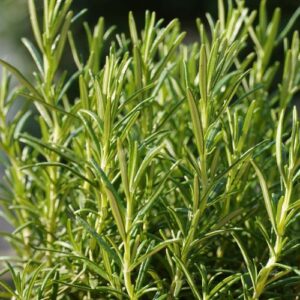
Rosemary Caprii (Rosmarinus officinalis ‘Caprii’)
🍃 Flavor & Aroma: Aromatic, pine-like rosemary taste.
🍴 Uses: Used in roasts, breads, sauces, and marinades.
✨ Benefits: Rich in antioxidants; supports digestion and circulation.
🌱 Growth: Compact perennial shrub; grows 60–90 cm tall.
- Planting: Best in sunny borders or pots with sandy, well-drained soil.
- Care: Prune lightly to maintain shape. Protect from severe frost.
- Water: Low. Requires minimal watering once established.
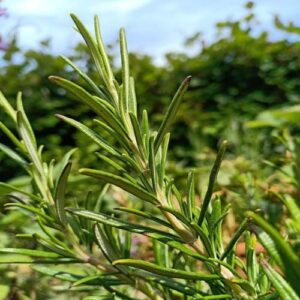
Rosemary Tanya (Rosmarinus officinalis ‘Tanya’)
🍃 Flavor & Aroma: Fragrant, strong rosemary aroma and flavor.
🍴 Uses: Common in cooking, teas, oils, and aromatherapy.
✨ Benefits: Traditionally used for memory and digestion.
🌱 Growth: Perennial shrub; grows 1–1.2 m tall. Prefers sun and dry soil.
- Planting: Plant in well-drained soil in sunny spots. Space plants 60 cm apart.
- Care: Trim regularly to maintain compact shape. Mulch roots in winter if frost is severe.
- Water: Low. Very drought-tolerant.
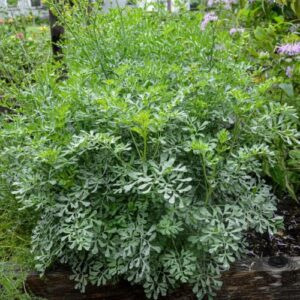
Rue Graveolens (Ruta graveolens)
🍃 Flavor & Aroma: Strong, bitter, pungent taste.
🍴 Uses: Used sparingly in Mediterranean cooking; traditional herbal medicine.
✨ Benefits: Traditionally used for digestive and anti-inflammatory properties.
🌱 Growth: Evergreen perennial; grows 60–90 cm tall. Prefers sun and well-drained soil.
- Planting: Plant in sunny borders or rock gardens. Space 30–40 cm apart.
- Care: Prune after flowering. Handle with care; sap may irritate skin.
- Water: Low. Thrives in dry, poor soil.
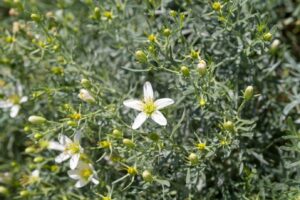
Rue Syrian (Ruta chalepensis)
🍃 Flavor & Aroma: Bitter, aromatic flavor similar to Rue Graveolens.
🍴 Uses: Used sparingly in regional Mediterranean dishes and traditional medicine.
✨ Benefits: Historically valued for digestive support and aromatic oils.
🌱 Growth: Perennial; grows 50–100 cm tall. Prefers dry, sunny sites.
- Planting: Best in sandy, well-drained soil in sun. Can grow in poor soils.
- Care: Prune lightly to control growth. Handle with gloves to avoid skin irritation.
- Water: Low. Very drought-resistant.
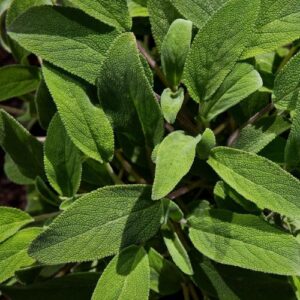
Sage (Salvia officinalis)
🍃 Flavor & Aroma: Earthy, slightly peppery, with a hint of pine and lemon.
🍴 Uses: Used in stuffing, sausages, sauces, and teas.
✨ Benefits: Traditionally aids memory, digestion, and sore throats.
🌱 Growth: Perennial; grows 30–60 cm tall. Prefers full sun and well-drained soil.
- Planting: Plant in sunny borders or pots. Prefers sandy or loamy soil with good drainage.
- Care: Prune after flowering to keep compact. Replace plants every 3–5 years as they become woody.
- Water: Low to moderate. Water sparingly; avoid soggy soil.
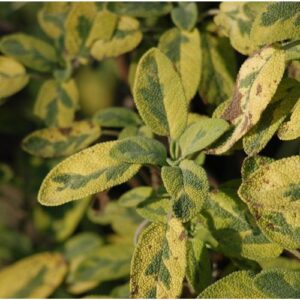
Sage Icterina (Salvia officinalis ‘Icterina’)
🍃 Flavor & Aroma: Mild, earthy sage flavor.
🍴 Uses: Culinary and ornamental; used in sauces, meats, and stuffings.
✨ Benefits: Same health benefits as common sage; antioxidant-rich.
🌱 Growth: Variegated perennial; grows 30–60 cm tall. Prefers sun and well-drained soil.
- Planting: Plant in well-drained, sandy soil. Best in sunny spots.
- Care: Trim back after flowering. Replace woody plants every few years.
- Water: Low. Tolerates dry conditions.
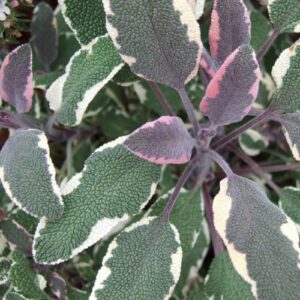
Sage Tricolour (Salvia officinalis ‘Tricolour’)
🍃 Flavor & Aroma: Milder sage flavor with ornamental foliage.
🍴 Uses: Primarily ornamental; occasionally used in cooking.
✨ Benefits: Similar benefits to common sage; attractive foliage for gardens.
🌱 Growth: Perennial; grows 30–60 cm tall. Variegated leaves with purple, white, and green.
- Planting: Best in sunny, well-drained beds. Works well as decorative edging.
- Care: Prune lightly to maintain foliage color. Replace plants every few years.
- Water: Low. Requires minimal watering.

Spearmint (Mentha spicata)
🍃 Flavor & Aroma: Sweet, refreshing mint flavor.
🍴 Uses: Used in teas, cocktails, sauces, and desserts.
✨ Benefits: Supports digestion, cooling, and refreshing.
🌱 Growth: Perennial; grows 30–90 cm tall. Prefers moist soil.
- Planting: Best in containers to prevent spreading. Prefers fertile, well-drained soil in sun or shade.
- Care: Cut back regularly to encourage new growth. Divide clumps every 2–3 years.
- Water: High. Requires consistently moist soil.
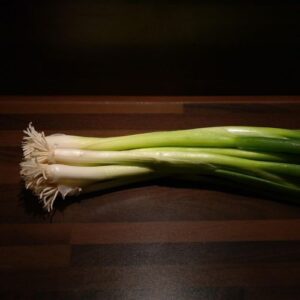
Spring Onion (Allium fistulosum)
🍃 Flavor & Aroma: Mild onion flavor with a fresh bite.
🍴 Uses: Used raw in salads, stir-fries, soups, and garnishes.
✨ Benefits: Rich in vitamins A, C, and K; supports immunity and heart health.
🌱 Growth: Biennial grown as annual; grows 30–60 cm tall.
- Planting: Sow directly in rows in full sun. Space plants 5–10 cm apart.
- Care: Harvest when stems reach pencil thickness. Succession sow for continuous supply.
- Water: Moderate. Keep soil moist but not waterlogged.
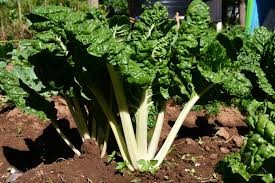
Spinach Fordhook (Spinacia oleracea ‘Fordhook Giant’)
🍃 Flavor & Aroma: Mild, earthy, slightly sweet flavor.
🍴 Uses: Leaves eaten fresh, steamed, or in soups and casseroles.
✨ Benefits: Rich in iron, vitamins A and C; supports energy and eye health.
🌱 Growth: Annual leafy green; grows 20–40 cm tall. Prefers cool weather.
- Planting: Direct sow seeds in rich soil in early spring or autumn. Space 10–15 cm apart.
- Care: Harvest outer leaves regularly. Bolts quickly in heat.
- Water: Moderate. Keep soil evenly moist.
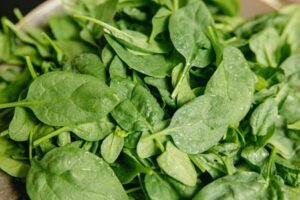
Spinach Matador Baby (Spinacia oleracea ‘Matador Baby’)
🍃 Flavor & Aroma: Tender, mild, and slightly nutty taste.
🍴 Uses: Baby leaves eaten in salads; larger leaves used in cooking.
✨ Benefits: Nutrient-rich; supports immunity and energy levels.
🌱 Growth: Annual; grows 15–30 cm tall. Prefers cool weather.
- Planting: Sow seeds in early spring or autumn in fertile soil. Space 5–10 cm apart.
- Care: Harvest young leaves often. Protect from heat to avoid bolting.
- Water: Moderate. Keep soil moist for tender leaves.
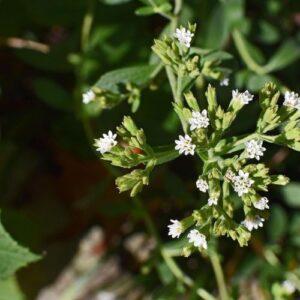
Stevia (Stevia rebaudiana)
🍃 Flavor & Aroma: Intensely sweet leaves with no calories.
🍴 Uses: Leaves used fresh or dried as a natural sweetener in drinks, desserts, and teas.
✨ Benefits: Natural sugar substitute; may help manage blood sugar levels.
🌱 Growth: Tender perennial (often grown as annual); grows 30–60 cm tall. Prefers warm climates.
- Planting: Best grown in pots or sunny garden beds. Prefers fertile, well-drained soil.
- Care: Pinch tips to encourage bushiness. Harvest leaves before flowering for best sweetness.
- Water: Moderate. Keep soil consistently moist but not soggy.

Strawberry (Fragaria × ananassa)
🍃 Flavor & Aroma: Sweet, juicy, and fragrant berries.
🍴 Uses: Eaten fresh, in desserts, jams, and drinks.
✨ Benefits: Rich in vitamin C and antioxidants; supports heart health and immunity.
🌱 Growth: Perennial; low-growing plants with runners. Prefers full sun.
- Planting: Plant crowns in fertile, well-drained soil. Space 30 cm apart.
- Care: Mulch to keep fruit clean. Remove runners if not propagating. Protect from birds.
- Water: Moderate. Keep soil moist, especially during fruiting.
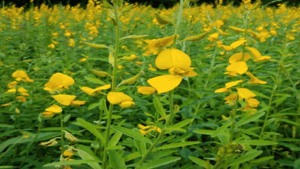
Sun Hemp (Crotalaria juncea)
🍃 Flavor & Aroma: Not used as a culinary plant; mainly grown for soil improvement and fiber.
🍴 Uses: Used as green manure, nitrogen fixer, livestock forage, and natural fiber production.
Excellent for improving soil structure and fertility between crop cycles.
✨ Benefits: Improves soil fertility, suppresses weeds, prevents erosion, and adds organic matter.
Widely used in regenerative and sustainable farming systems.
🌱 Growth: Fast-growing annual legume that can reach 1–3 m tall in good conditions.
- Planting: Sow seeds directly in full sun. Thrives in sandy or loamy, well-drained soil. Broadcast or sow in rows depending on use.
- Care: Very low-maintenance. Once established, it grows rapidly with little attention. Cut and incorporate into soil before it becomes too woody.
- Water: Moderate. Water regularly until plants are established; thereafter, fairly drought tolerant.
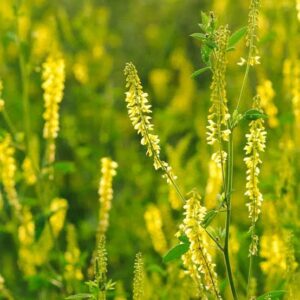
Sweet Yellow Clover (Melilotus officinalis)
🍃 Flavor & Aroma: Sweet, slightly vanilla-like aroma.
🍴 Uses: Used in teas, traditional medicine, and soil improvement (green manure).
✨ Benefits: Supports digestion, calming effects, and soil fertility.
🌱 Growth: Biennial; grows 1–2 m tall. Prefers sun and average soil.
- Planting: Sow seeds directly in garden beds or wildflower patches.
- Care: Cut back after flowering to prevent excessive self-seeding.
- Water: Low to moderate. Drought-tolerant once established.
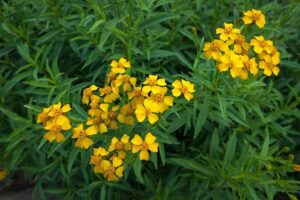
Tarragon French (Artemisia dracunculus var. sativa)
🍃 Flavor & Aroma: Delicate anise-like flavor.
🍴 Uses: Used in sauces, chicken, fish, and vinegar infusions.
✨ Benefits: Aids digestion and appetite stimulation.
🌱 Growth: Perennial; grows 60–120 cm tall. Prefers sun and fertile, well-drained soil.
- Planting: Best propagated from cuttings. Plant in sunny spots in rich soil.
- Care: Cut back in autumn. Divide every 3–4 years.
- Water: Moderate. Keep soil moist but not soggy.
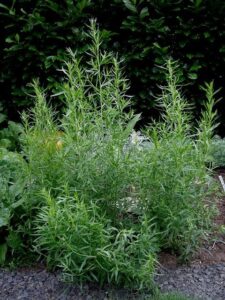
Tarragon Russian (Artemisia dracunculoides)
🍃 Flavor & Aroma: Milder, less intense than French tarragon.
🍴 Uses: Leaves used in salads, soups, and vinegar. Hardy alternative to French tarragon.
✨ Benefits: Traditionally supports digestion.
🌱 Growth: Perennial; grows 60–150 cm tall. Very hardy.
- Planting: Sow seeds or plant divisions in sunny, well-drained soil.
- Care: Cut back in autumn. Less maintenance than French tarragon.
- Water: Moderate. Water regularly but avoid overwatering.
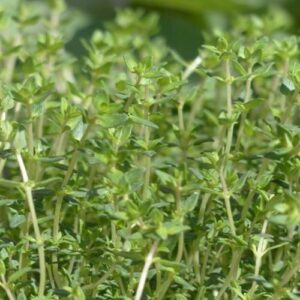
Thyme (Thymus vulgaris)
🍃 Flavor & Aroma: Strong, earthy, slightly minty flavor.
🍴 Uses: Used in roasts, stews, soups, and sauces. Pairs well with meats and vegetables.
✨ Benefits: Antimicrobial, antioxidant-rich, supports immunity.
🌱 Growth: Hardy perennial; grows 20–40 cm tall. Prefers sun and well-drained soil.
- Planting: Plant in sunny, well-drained beds or pots. Excellent for borders or rock gardens.
- Care: Trim after flowering to keep compact. Harvest sprigs regularly.
- Water: Low. Drought-tolerant once established.
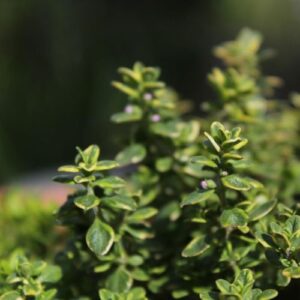
Thyme Lemon (Thymus citriodorus)
🍃 Flavor & Aroma: Bright lemon scent with mild thyme taste.
🍴 Uses: Great for poultry, fish, teas, and salads. Adds fresh citrus notes to cooking.
✨ Benefits: Digestive aid; uplifting aroma.
🌱 Growth: Hardy perennial; low-growing, 15–30 cm tall. Prefers sun.
- Planting: Plant in well-drained soil in sunny borders or pots. Works well as edging or groundcover.
- Care: Trim lightly after flowering to keep tidy. Harvest sprigs regularly.
- Water: Low. Drought-tolerant once established.

Turmeric (Curcuma longa)
🍃 Flavor & Aroma: Warm, earthy, slightly bitter, and peppery taste.
🍴 Uses: Rhizomes used fresh or dried in curries, teas, and as natural coloring.
✨ Benefits: Anti-inflammatory, antioxidant-rich, supports joint and digestive health.
🌱 Growth: Perennial root crop; grows 1–1.2 m tall. Prefers tropical to subtropical climates.
- Planting: Plant rhizome pieces in pots or beds in warm climates. Needs partial shade to full sun.
- Care: Mulch to keep soil moist and warm. Harvest rhizomes after 8–10 months when leaves yellow.
- Water: High. Keep soil moist but avoid waterlogging.
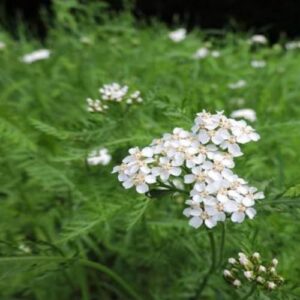
Yarrow (Achillea millefolium)
🍃 Flavor & Aroma: Bitter, aromatic, slightly astringent taste.
🍴 Uses: Leaves used sparingly in salads and teas. Flowers used in herbal remedies.
✨ Benefits: Traditionally supports wound healing, digestion, and circulation.
🌱 Growth: Perennial; grows 30–90 cm tall with clusters of flowers. Prefers sun.
- Planting: Plant in sunny, well-drained beds. Tolerates poor soils.
- Care: Cut back after flowering to promote new growth. Can spread easily if not managed.
- Water: Low. Very drought-tolerant once established.
Testimonials
★★★★★
Location
A Proudly Midvaal Business
Hours
Monday - Friday
8AM - 5PM
Saturday - Sunday
8AM - 2PM